Economic & Political Factors
World War II was a contest of industrial capacity and political will. The Allied powers, led by the United States, Soviet Union, and United Kingdom, possessed far greater resources than the Axis.12

The United States became the “arsenal of democracy,” producing over 300,000 aircraft, 86,000 tanks, and 2.4 million military trucks during the war.13 The Soviet Union relocated entire factories east of the Urals, outrunning the German advance and massively increasing tank production.
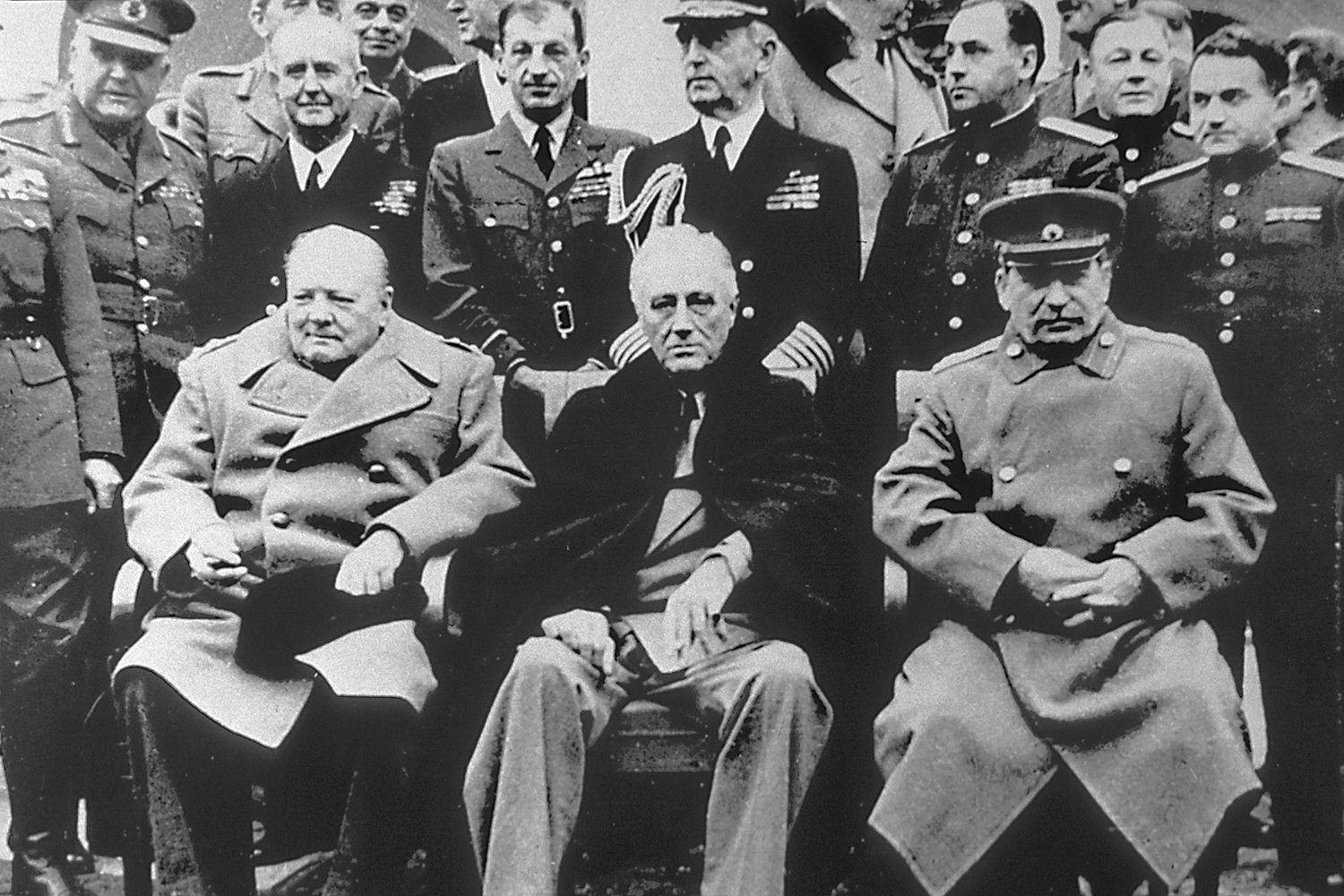
Political systems shaped war strategy. Nazi Germany’s command economy was efficient early on but suffered from slave labor and resource shortages. Japan’s militarist government prioritized expansion but neglected logistical planning.14 The Allies, despite internal tensions, coordinated through conferences (Casablanca, Tehran, Yalta) and combined command structures.
Political decisions also had devastating human costs. The Nazi regime’s racial ideology led to the Holocaust, while Stalin’s purges weakened Soviet military leadership before the war. Japan’s militarism produced atrocities like the Nanking Massacre and the Comfort Women system.16
By 1945, the Axis powers were economically exhausted, while Allied production continued to grow. This imbalance made victory nearly inevitable.17